
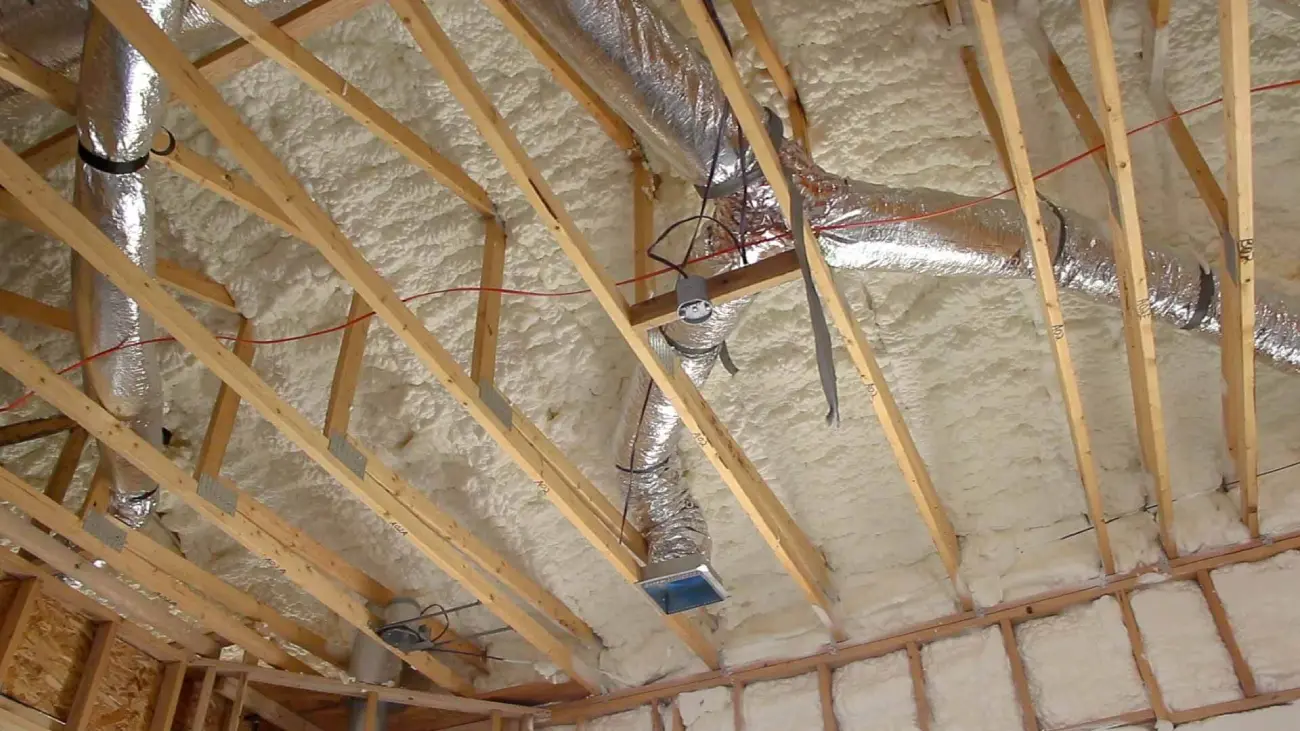
If you’re researching spray foam insulation in Toronto, you’ve probably noticed two things right away: there are different types of foam, and the prices vary a lot.
As an insulation contractor working on residential renovations across Toronto and the GTA, I’ll be direct: spray foam works extremely well when it’s used in the right locations. It’s also one of the easiest ways to overspend if you don’t understand the differences.
This guide explains how spray foam insulation actually works, the real difference between open cell and closed cell spray foam, and where each one makes sense.
https://www.precisiondrywallinc.ca/insulation
The Core Difference: Open Cell vs. Closed Cell Spray Foam
In residential construction, there are two industry-standard spray foam types:
· 0.5 lb Open Cell spray foam
· 2.0 lb Closed Cell spray foam
You may hear about “1 lb foam,” but it’s a less common hybrid. For most Toronto home renovations, the decision comes down to open cell vs closed cell.
The difference is density—and that affects R-value, moisture control, and cost.
Open Cell Spray Foam (0.5 lb)
Open cell spray foam is lightweight and expands aggressively, filling wall and ceiling cavities easily.
How open cell spray foam performs
· Excellent air sealing
· Soft, flexible structure
· Allows moisture vapor to pass through
· Good sound absorption
It stops air movement but does not act as a vapor barrier, which is important to understand in Ontario’s climate.
R-value per inch (open cell)
· ~R-3.5 to R-3.8 per inch
This is comparable to batt insulation, but with far better air sealing.
Closed Cell Spray Foam (2.0 lb)
Closed cell spray foam is dense and rigid once cured.
How closed cell spray foam performs
· Air barrier and vapor barrier in one
· High moisture resistance
· Adds structural strength
· Very high R-value in thin applications
Closed cell foam is so dense that water cannot pass through it, which is why it’s commonly used in basements and rim joists.
R-value per inch (closed cell)
· ~R-6.0 to R-7.0 per inch
This makes closed cell spray foam one of the highest-performing insulation materials available for residential use.
Spray Foam R-Value Comparison (Quick Reference)
| Spray Foam Type | Density | R-Value per Inch | Best Use |
| Open Cell | 0.5 lb | ~R-3.5 to R-3.8 | Attics, interior walls, sound control |
| Closed Cell | 2.0 lb | ~R-6.0 to R-7.0 | Basements, rim joists, exterior walls |
Why R-Value per Inch Matters
In many Toronto homes, space is limited—especially in basements and rim joists.
· If you only have 2–3 inches, closed cell spray foam delivers meaningful insulation.
· If you have deeper cavities, open cell can reach target R-values at a lower cost.
Higher R-value doesn’t automatically mean better—it means better for that specific condition.
Best Uses for Spray Foam in Toronto Homes
Attic Insulation
Best option: Open cell spray foam
Why:
· Strong air sealing
· Lower cost per square foot
· Allows roof sheathing to dry inward
· Effective for noise reduction
Closed cell spray foam is rarely needed in attics unless space is extremely limited.
Basement Insulation
Best option: Closed cell spray foam
Why:
· Acts as a vapor barrier
· Handles moisture from concrete
· High R-value with minimal thickness
· Ideal for Ontario basements
Rim Joists
Best option: Closed cell spray foam
Why:
· Major air leakage area
· Moisture-prone
· High return on investment
Rim joists are one of the best places to use spray foam insulation in Toronto homes.
Interior Walls / Sound Control
Best option: Open cell spray foam (or mineral wool)
Why:
· Good sound absorption
· No moisture exposure
· Lower cost
Closed cell spray foam offers little added benefit here.
https://www.precisiondrywallinc.ca/drywall-installation
Cost vs. Performance: The Honest Verdict
Spray foam insulation costs more because:
· Materials are expensive
· Installation requires trained crews
· Proper ventilation and safety controls are necessary
General guideline
· Open cell spray foam: More affordable, best for large areas
· Closed cell spray foam: Higher cost, best where moisture and space are critical
Most homeowners get the best results with a hybrid insulation approach, not spray foam everywhere.
Final Thoughts from a Spray Foam Contractor
Spray foam insulation isn’t about choosing the most expensive option—it’s about choosing the right type for the right location.
When designed properly, spray foam:
· Reduces drafts
· Improves comfort
· Controls moisture
· Lowers energy loss
At Precision Drywall, we focus on insulation systems that make sense for Toronto homes—not upsells. If you’re considering spray foam insulation and want clear, technical guidance without sales pressure, we’re always happy to help.